
Shark Tank India Season 5 Episode 36 Review
Aired on Monday, February 23, 2026, Episode 36 of Shark Tank India Season 5 titled “Organic Mattresses, Localization, and Vegetarian Joints” was a masterclass in the importance of market research and founder temperament. The episode featured a diverse lineup: a functional wellness coffee brand, a premium organic mattress startup, a content localization platform, and a vegetarian QSR chain.
The Sharks, Anupam Mittal, Kunal Bahl, Aman Gupta, Kanika Tekriwal, and Mohit Yadav, were in no mood for fluff. Throughout the episode, a recurring theme emerged: the gap between a “good idea” and a “scalable business.” Whether it was a founder’s lack of clarity on ingredients or an over-reliance on theatrical pitching, the investors clinical approach highlighted that in 2026, passion must be paired with bulletproof unit economics and a deep understanding of the competitive landscape.
Pitch 1
Upsnac Shark Tank India Episode Review
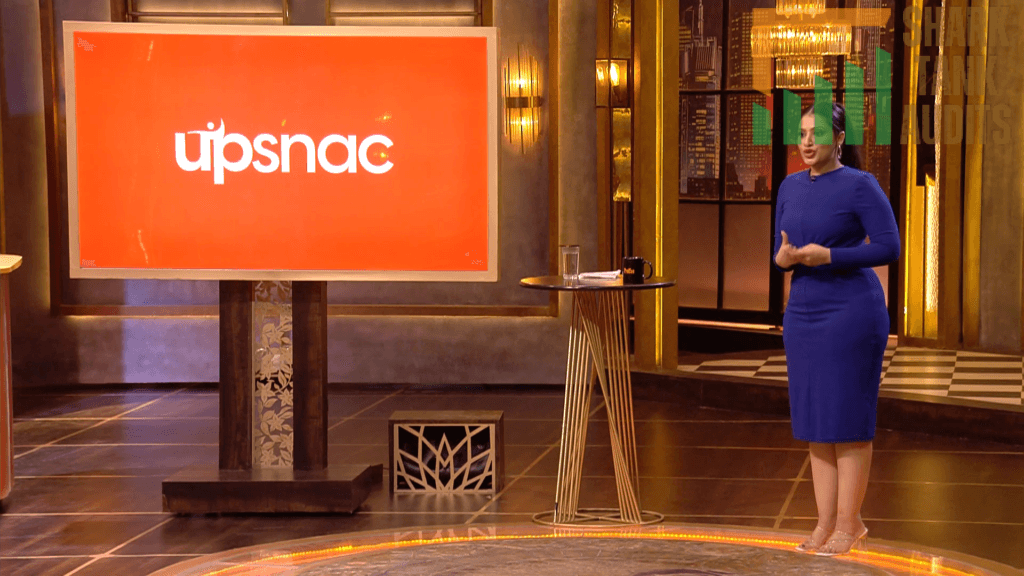
Upsnac appeared on Shark Tank India Season 5, Episode 35, with Ludhiana-based founder Riya Gupta (“boss kudi” bootstrapping ₹40 lakh personal investment) seeking ₹1 Crore for 2% equity (₹50 Crore valuation) but left with no deal after Sharks cited business too early for high valuation with significant product quality/transparency concerns.
The health/wellness F&B brand operates in functional coffee/snacks sector offering flagship “Proffee” (Protein + Coffee) protein-infused daily wellness beverage sweetened with monk fruit (label also included stevia), coffee premixes containing skimmed milk powder, and health spreads like peanut butter targeting health-conscious individuals but achieving only 4 monthly organic visitors requiring SEO improvement. Sharks reacted critically—Aman stated “Confidence kam aa raha hai” (I have little confidence) feeling founder inconsistent with ingredient answers, Kanika called peanut butter “horrible” due to oil separation feeling founder lacked deep category research, Kunal pointed out major packaging flaws dismissing transit damage excuses as low production scale compromises, and Anupam liked initial concept but advised products weren’t for “connoisseurs” telling founder not ready for external capital yet despite appreciating bootstrapped “skin in game.”
Operating in Indian functional beverage market growing 16.2% CAGR at intersection of ₹5,000 Crore coffee market and rapidly expanding ₹2,500 Crore protein supplement market within $30 billion health/wellness food market projected by 2026 and ₹4,500 Crore urban fitness-conscious population (20-45 consuming coffee daily) as post-pandemic 70% urban Indians prioritize “functional” benefits in daily diet amid middle-class premiumization willing to pay 20-30% premium for convenience-plus-health products, Upsnac targets busy professionals (25-40, Tier 1 cities Bangalore/Mumbai/Delhi skipping breakfast needing quick protein/caffeine boost, NCCS A+, ₹80,000+ monthly income with high Instagram/LinkedIn presence) and gym enthusiasts finding protein shakes boring preferring “Proffee” taste as pre-workout/morning ritual within 1% urban fitness coffee segment share aim achieving ₹45-50 Crore annual revenue within 3 years, planning “Lab-to-Label” video content showing exact monk fruit/stevia usage countering “lack of confidence” feedback, certified nutritionist/food scientist influencer collaboration vouching for formulation versus generic lifestyle influencers, #ProffeeChallenge social media campaign replacing sugary lattes, SEO recovery targeting keywords (“Protein Coffee India,” “Best Monk Fruit Sweetened Coffee,” “Guilt-free Peanut Butter”), Meta/Amazon ads targeting Cult.fit user lookalike audiences, quick-commerce partnerships (Blinkit/Zepto) fulfilling high-impulse functional beverage purchases in 10 minutes, B2B premium gym pantries/co-working spaces stocking, professional Food Technologist hire stabilizing peanut butter and refining Proffee taste profile, premium leak-proof Instagrammable packaging justifying ₹50 Crore valuation, product line expansion (protein cookies/high-protein savory snacks), 100,000+ active user community building collecting first-party data, specific Proffee blend patent creating defensive barrier around core technology, and omnichannel transition from online-only to 500+ premium retail touchpoints targeting ₹50 Crore run rate (Anupam-suggested milestone) with EBITDA positivity commanding 4x-5x revenue multiple for next funding round.
Pitch 2
Kotson Mattress Shark Tank India Episode Review

Kotson Mattress appeared on Shark Tank India Season 5, Episode 36, with Vijayawada-based founders Krishna Priya Chava and Varshini Chava (launched June 2025, sold 90 mattresses pre-appearance) seeking ₹1.5 Crore for 10% equity (₹15 Crore valuation) but left with no deal after all Sharks opted out in one of season’s most contentious pitches marked by high tension and significant pushback.
The premium organic latex mattress brand offers 6-inch thick Queen Size (78×60 inches) 100% Natural Dunlop Latex mattresses with bamboo fabric covers priced at ₹85,000 (4-5x competitors) claiming GOLS (Global Organic Latex Standard) certification, hypoallergenic properties, orthopedic support, superior temperature regulation, 17-20 year lifespan (nearly double standard 10-year mattresses), and “no-layering” manufacturing philosophy advocating solid latex blocks for maximum health benefits versus layering techniques, but achieving only 10 monthly organic visitors requiring SEO improvement. Sharks reacted harshly—Aman slammed founders claiming no one else sells 100% latex in India criticizing dismissal of doctor-recommended orthopedic mattresses, Anupam expressed concern over lack of medical certifications noting founders seemed “unprepared for main race” despite growing industry, Kunal questioned depth of one-year research period given 4-5x competitor pricing, Kanika stated “nothing unique” about manufacturing suggesting she could replicate at home, and Mohit backed out citing high price point and massive consumer awareness challenge for expensive niche product, with rejection reasons including lack of thorough market research, unsustainable valuation, and perceived inability to acknowledge competition.
Operating in Indian mattress market valued at ₹21,500 Crore ($2.57 billion, 2026) projected to reach ₹29,000 Crore by 2030 with premium/luxury segment (>₹50,000 mattresses) occupying 15-20% urban market share and organic latex as fastest-growing niche (9.39% CAGR in South India) amid “sleep revolution” shift from commodity to health-conscious investment sector where urban millennials now replace mattresses every 7-8 years (down from 12) and 3.48 lakh annual premium residential units sold in top cities driving luxury “move-in” bedding demand, Kotson targets “Conscious Affluent” (30-55 years, ₹25 lakh+ annual household income, Top 8 metros plus wealth hubs like Vijayawada/Chandigarh)—Health Optimizers tracking sleep via Oura rings/Apple Watches, Eco-Purists prioritizing VOC-free/chemical-free/sustainable interiors, and individuals with chronic back pain/severe allergies needing hypoallergenic properties—within ₹800-1,200 Crore HNI market seeking GOLS certifications, planning SEO overhaul targeting high-intent keywords (“Best GOLS certified mattress India,” “Organic latex vs Memory foam back pain,” “Chemical-free nursery mattresses”), “Sleep Science Blog” driving 10-to-10,000 monthly visitors, Instagram/TikTok macro-cinematography showing Dunlop latex/bamboo fabric texture with founders’ Vijayawada roots/”1-year research” storytelling building trust, LinkedIn ads targeting C-suite executives/doctors, Google Search ads in high-wealth pin codes, “By Appointment Only” experience centers in Bangalore/Mumbai/Delhi (70% luxury buyers wanting physical touchpoint), AR tool visualizing mattress in user’s bedroom, luxury interior designer/boutique architect partnerships influencing “New Home” buying cycle, wellness resort tie-ups allowing “Trial while Travel,” no-cost EMI/100-night risk-free trial lowering entry barrier, independent sleep lab/orthopedic association partnership publishing white paper on specific latex density’s spinal alignment impact countering “lack of research” critique, product line expansion (Kotson Kids organic crib mattresses, Kotson Travel latex pillows increasing AOV), Middle East/SE Asia global exports (Dubai/Qatar where “Premium Made in India” organic goods demand surging), and “Smart Topper” tech integration monitoring heart rate/sleep cycles transitioning from furniture to Sleep-Tech company targeting ₹15 Crore valuation justification.
Pitch 3
Kalakrit Shark Tank India Episode Review
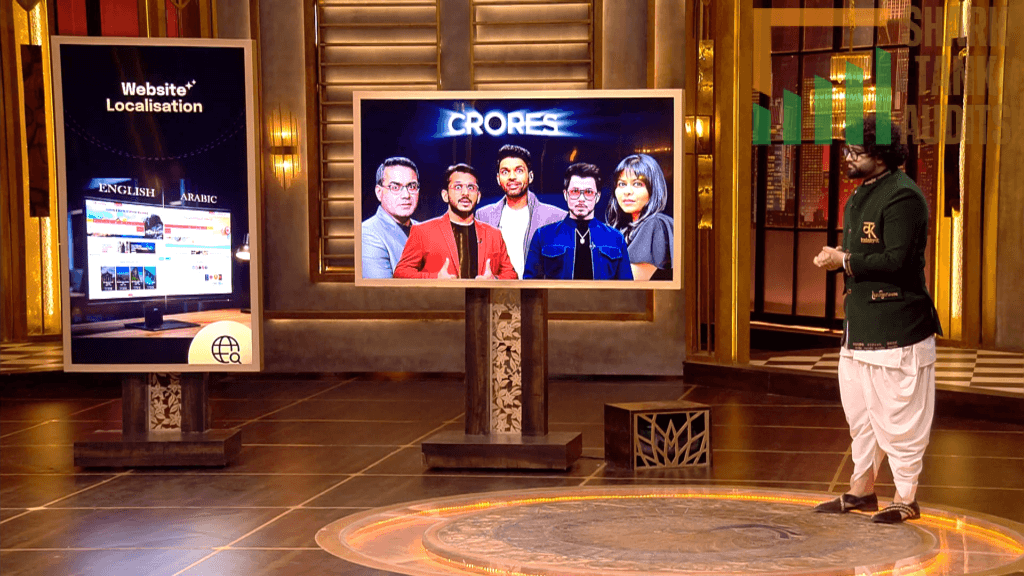
Kalakrit appeared on Shark Tank India Season 5, Episode 36, with founder Sehaj Kohli (self-described formerly “below-average student” relying on hard work/salesmanship who gained early startup experience at 16-17 working for precursor to OYO providing couple-friendly hotel rooms with high-energy sales/boots-on-the-ground hustle background) seeking ₹1 Crore for 10% equity (₹10 Crore valuation) but left with no deal after all five Sharks opted out in one of season’s most critical pitches.
Founded 2021, the content localization platform recreates/adapts content into local languages using “human-in-the-loop” model combining AI-assisted translation/recreation with human oversight servicing 100+ languages, remaining profitable since inception growing from ₹16 lakh revenue/₹3 lakh EBITDA (2021-22) to ₹42 lakh/₹8 lakh EBITDA (2023-24) and ₹1.07 Crore/₹12-12.5 lakh EBITDA (2024-25 YTD) but achieving only 94 monthly organic visitors requiring SEO improvement, though high-energy “entertaining” pitch initially charmed Sharks before mood shifted during technical defensibility probing. Sharks reacted among season’s harshest—Anupam heavily criticized pitch as “showmanship versus salesmanship” yelling at founder for wasting massive national TV opportunity choosing drama over technical demo, Aman referred to pitch as “flop picture” after promising “trailer” noting industry moving too fast to risk capital on buzzword-heavy business, Kunal felt founder selling “mental concept” versus tangible scalable reality, while Mohit/Kanika viewed as “lifestyle business” with shrinking margins and no billion-dollar path, all citing concerns over business model, founder’s over-reliance on showmanship, and existential AI advancement threat warning “bus has already left the station.”
Operating in global language services market projected at $81.45 billion (2026) with India content services platform at $22.2 billion by 2030 (19.9% CAGR) within India’s ₹3,500+ Crore creator economy (4+ million active creators), $5 billion Indian digital advertising market (₹42,000 Crore, 2026) with significant localized persona-driven creative allocation, and creative sector supporting 10 million livelihoods by 2026 end amid 65%+ Indian audiences preferring native language content (regional cinema outperforming Hindi releases 2025 signaling hyper-local shift), Kalakrit targets ₹1,000+ Crore MSME/individual creator segment requiring high-quality culturally nuanced dubbing pure AI struggles perfecting—ed-tech platforms translating technical courses into 22+ official Indian languages for Tier 2/3 students, regional influencers (18-35) “Pan-Indianizing” content increasing cross-linguistic follower bases, D2C brands targeting “Next Billion Users” engaging primarily with non-English video, and OTT/production houses needing human-in-the-loop quality subtitles/dubbing without Hollywood pricing—planning “Before vs After” comparison videos showing Flat AI Translation versus Kalakrit Culturally Localized Content difference, SEO targeting long-tail keywords (“Marathi Video Dubbing Business,” “Bengali Content Localization Services”), B2B LinkedIn thought leadership series on “Ethics of AI in Localization,” Meta performance marketing targeting MSMEs during festive Q4 season (30%+ annual digital ad spend), API-first development integrating directly into video editing software/CMS platforms (WordPress/Shopify), digital marketing agency partnerships lacking in-house localization, freemium model offering first 60 seconds free reducing “trust barrier,” service-to-SaaS platform transition where humans only intervene when AI confidence score falls below 85% mitigating disruption from rapidly improving tools (OpenAI Sora, ElevenLabs) lowering DIY localization barriers, proprietary linguistic dataset building for rare Indian dialects global giants haven’t prioritized creating moat through cultural context (slang/idioms/tone) complexity too advanced for current global AI, dashboard-driven platform transformation reaching ₹5 Crore revenue targeting booming MSME digital spend, Global South expansion (Africa/SE Asia) entering similar linguistic fragmentation markets, Kalakrit-Voice-Vault proprietary AI-cloned regional voices library with “Human Emotion Tags” IP creation, and 8% EBITDA service-to-30% margin SaaS model shift targeting 5x-10x revenue multiple achieving ₹50-100 Crore valuation by 2028.
Pitch 4
SVS Foods Shark Tank India Episode Review
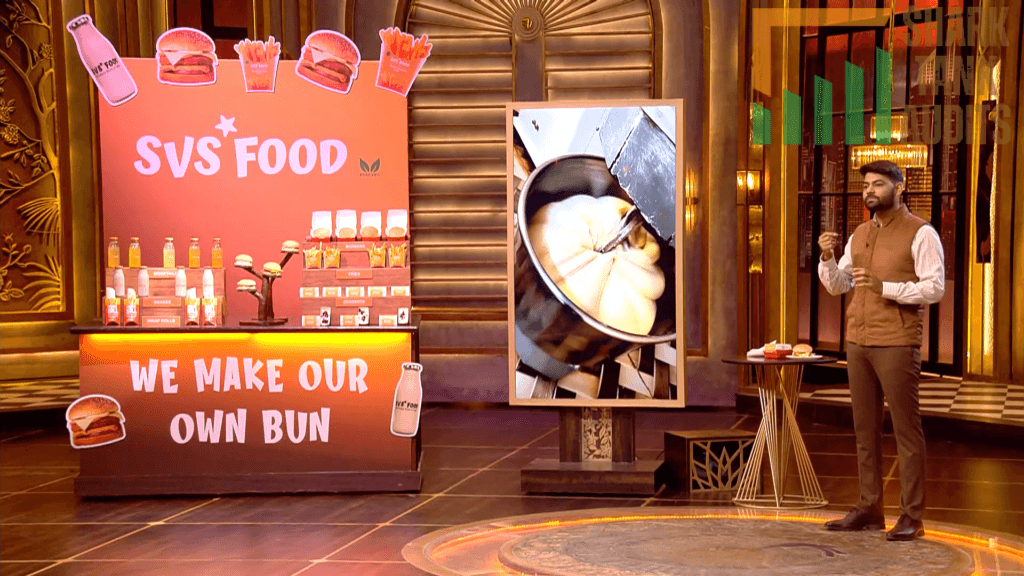
In Shark Tank India Season 5, Episode 36, which aired on February 23, 2026, founder Paras Jain presented SVS Foods, a Satna-based venture attempting a unique “dual-track” business model by combining the Quick Service Restaurant (QSR) chain Supreme Burger with a premium line of kitchen staples and spices. Seeking an investment of ₹3 Crores for 5% equity at a ₹60 Crore valuation, Jain highlighted his brand’s commitment to “100% Pure Vegetarian and Jain” food, powered by a “chefless” operational model that ensures speed and consistency without high-skilled labor. While the brand demonstrated impressive hustle and regional success—boasting a 94% customer repeat rate and in-house, preservative-free bun manufacturing—the Sharks remained highly skeptical of the valuation and the maturity of the business.
The investor panel, led by Kunal Bahl and Kanika Tekriwal, raised significant red flags regarding the brand’s rapid franchise expansion. Bahl provided a stern reality check, advising that a QSR brand should ideally hit a revenue benchmark of ₹1 Crore per store before franchising to ensure the unit economics are bulletproof; he warned that premature scaling often leads to a “risky space” where quality and SOPs collapse. Additionally, the Sharks questioned the long-term scalability of a menu focused on high-calorie indulgent burgers in an increasingly health-conscious Indian market. Despite Anupam Mittal praising the founder’s aspirational drive and the brand’s local roots, the consensus was that the industry lacked sufficient novelty at such a steep price point. Consequently, SVS Foods exited the tank with no deal finalized, leaving the founder to focus on refining his store-level profitability and building organic digital traffic, which currently sits at a low 375 visitors per month.
The Episode Verdicts
Episode 36 was a tough night for the entrepreneurs, ending in a “Clean Sweep” for the Sharks, as not a single deal was finalized. The session served as a sobering reminder that high valuations require more than just “trend-following”; they require operational excellence and a clear “moat.”
| Pitch | Brand | Ask | Deal Status | Shark(s) Involved |
| Pitch 1 | Upsnac | ₹1 Cr for 2% | No Deal | Concerns over product quality and founder’s lack of research. |
| Pitch 2 | Kotson Mattress | ₹1.5 Cr for 10% | No Deal | High tension; Sharks cited unsustainable pricing and lack of medical backing. |
| Pitch 3 | Kalakrit | ₹1 Cr for 10% | No Deal | Criticized for “showmanship over salesmanship” and AI disruption risks. |
| Pitch 4 | SVS Foods | ₹3 Cr for 5% | No Deal | Valuation deemed too steep for a regional QSR brand. |
Key Highlights
- The Research Gap: Both Upsnac and Kotson Mattress faced heavy criticism for not knowing their categories well enough. While Upsnac struggled with basic ingredient transparency, Kotson’s founders were called out for dismissing industry standards in the ₹21,500 Crore mattress market.
- The Localization Battle: Sehaj Kohli of Kalakrit delivered an entertaining pitch, but it backfired. Anupam Mittal led the charge, warning that the “AI bus has already left the station,” suggesting that human-in-the-loop models are under existential threat from rapidly advancing translation software.
- Franchising Friction: SVS Foods (Supreme Burger) demonstrated strong regional hustle, but Kunal Bahl’s stern warning about premature franchising became the lesson of the night. He emphasized that without ₹1 Crore revenue per store, franchising is a “risky space” that leads to SOP collapse.
Leave feedback about this
You must be logged in to post a comment.