
Eri Weave Shark Tank India Episode Review
Website Information
- Website:- Eri Weave
- Build on CMS WordPress
- Poor SEO Performance, SEO improvement is needed.
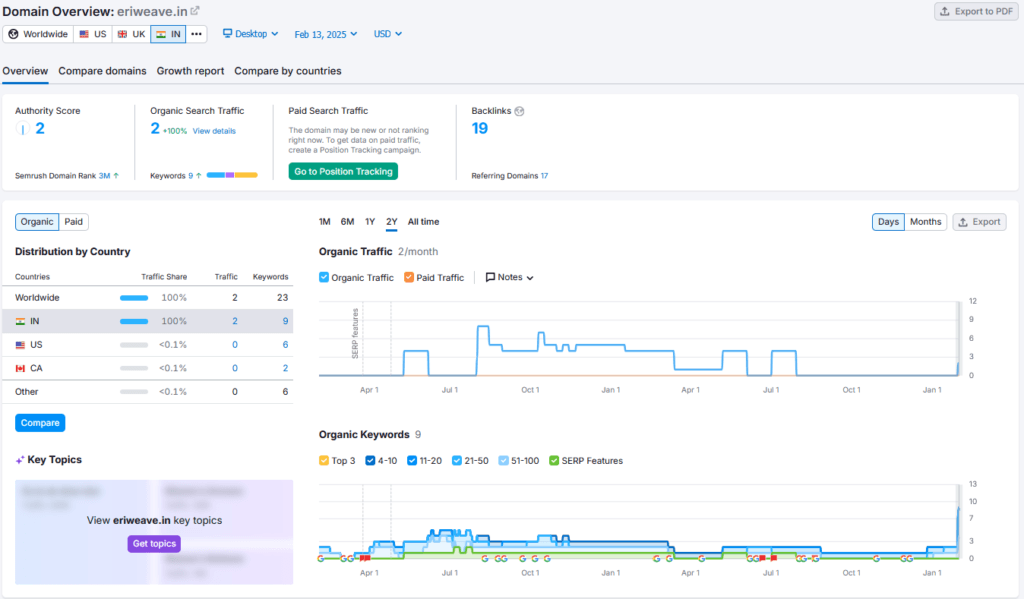
- ORGANIC TRAFFIC: 02 visitors per month.
Founders
- Iaishah Rymbai, the founder of Eri Weave, has a compelling backstory.
- Married at the age of 20, she faced financial struggles after leaving an abusive marriage.
- As a single mother, she raised four daughters while working as a teacher and building her business in her spare time.
- Iaishah is committed to supporting artisans and preserving the art of handloom weaving.

Brand Overview
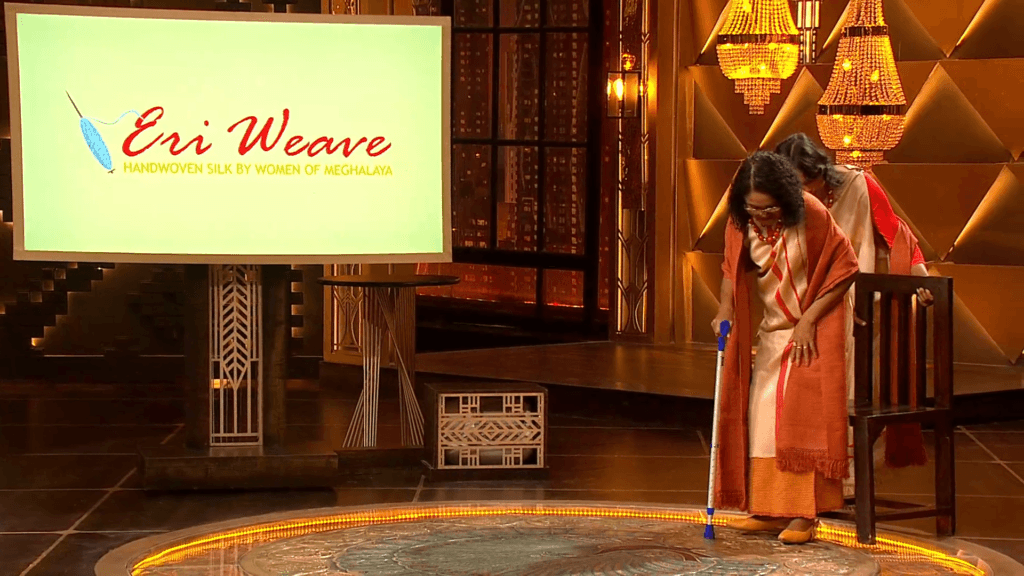
- Eri Weave is a handwoven fabric brand founded by a mother-daughter duo, Iaishah Rymbai, and her daughter Lebaini Rymbai, from a small village in Meghalaya.
- They aim to revive traditional weaving practices while empowering local women to earn livelihoods.
- Eri Weave specializes in handwoven fabrics made from Eri silk.
- The brand focuses on reviving traditional weaving techniques that have been passed down through generations.
- Their mission includes empowering local women and promoting sustainable practices in fabric production.
Shark Tank India Appearance and Ask
- In their pitch on Shark Tank India, Iaishah and Lebaini sought an investment of ₹20 lakh for 12% equity in Eri Weave.
- They highlighted their struggles and the importance of their work in preserving traditional craftsmanship while creating economic opportunities for women.
Season and Episode Air Date
- Season: 04
- Episode: 27
- Episode Air Date: Tuesday, 11 February 2025
Product Overview
- Eri Weave produces eco-friendly fabrics dyed using natural materials such as lac, turmeric, leaves, and bark.
- Their product line includes scarves, shawls, and yardage fabric, all handcrafted by skilled artisans from the region.
- The brand emphasizes humane practices in silk extraction, ensuring that no silk worms are harmed.
Investor Reactions
- The emotional pitch resonated with the investors.
- While Peyush Bansal praised the quality of the fabric but ultimately chose not to invest, Namita Thapar expressed admiration for Iaishah’s journey and offered her support.
- Anupam Mittal acknowledged the challenges faced by the founders but emphasized the importance of giving opportunities to aspiring entrepreneurs.
Customer Engagement Philosophy
- Eri Weave’s philosophy revolves around connecting with customers through authentic storytelling and showcasing the cultural significance of their products.
- By emphasizing traditional craftsmanship and eco-friendly practices, they aim to create an emotional bond with consumers who value sustainability and heritage.
Product Highlights
- Handwoven Fabrics: Specializes in Eri silk products that are eco-friendly.
- Empowerment: Focuses on empowering local women through skill development.
- Sustainable Practices: Utilizes natural dyes and humane silk extraction methods.
Future Vision
- Eri Weave envisions expanding its reach beyond local markets by establishing a robust online presence and increasing awareness of its products.
- The founders aim to promote indigenous craftsmanship while ensuring that their business model supports sustainable practices and empowers more women artisans in Meghalaya.
Deal Finalized or Not
- The founders successfully secured a deal with Anupam Mittal and Namita Thapar, who offered ₹20 lakh for 12% equity in Eri Weave.
- This partnership aims to help the brand grow and reach a wider audience.
| Category | Details |
|---|---|
| Website Information | |
| Website Name | Eri Weave |
| Technology Stack | CMS WordPress |
| SEO Performance | Poor (needs improvement) |
| Organic Traffic | 2 visitors per month |
| Founder Information | |
| Founder | Iaishah Rymbai |
| Co-founder | Lebaini Rymbai |
| Background | Iaishah Rymbai, a single mother, overcame financial struggles to build Eri Weave while supporting artisans and preserving traditional weaving. |
| Brand Overview | |
| Brand Name | Eri Weave |
| Business Model | Handwoven Fabric Brand |
| Specialty | Handwoven Eri silk fabrics |
| Mission | Reviving traditional weaving techniques and empowering local women artisans |
| Sustainable Practices | Use of natural dyes and humane silk extraction methods |
| Shark Tank India Appearance | |
| Investment Ask | ₹20 lakh for 12% equity |
| Season | 04 |
| Episode | 27 |
| Episode Air Date | Tuesday, 11 February 2025 |
| Outcome | Secured ₹20 lakh for 12% equity from Anupam Mittal and Namita Thapar |
| Product Overview | |
| Product Offerings | Handwoven fabrics, scarves, shawls, and yardage fabric |
| Dyeing Process | Uses natural dyes from lac, turmeric, leaves, and bark |
| Ethical Sourcing | Silk extraction without harming silkworms |
| Investor Reactions | |
| Peyush Bansal | Appreciated the fabric quality but chose not to invest |
| Namita Thapar | Admired Iaishah’s journey and offered support |
| Anupam Mittal | Acknowledged challenges but emphasized the importance of empowering entrepreneurs |
| Customer Engagement Philosophy | |
| Approach | Storytelling to connect with customers and highlight cultural significance |
| Sustainability Focus | Promotes traditional craftsmanship and eco-friendly production |
| Product Highlights | |
| Fabric Type | Handwoven Eri silk |
| Social Impact | Empowers local women artisans |
| Sustainability | Eco-friendly dyes and humane silk extraction |
| Future Vision | |
| Expansion Plan | Establish a strong online presence and raise awareness of indigenous craftsmanship |
| Business Potential in India | |
| Market Size (2025) | ₹16 trillion (Indian textile market) |
| Handloom Sector | Valued at ₹5,000 crore |
| Consumer Trends | 66% of consumers are willing to pay more for sustainable brands |
| Total Addressable Market (TAM) | |
| Eri Silk Market | Growing demand for sustainable fabrics |
| Handloom Industry | Significant opportunity in India’s textile market |
| Target Audience & Demographics | |
| Age Group | 25-45 years |
| Income Level | ₹30,000 – ₹100,000 per month |
| Geographic Focus | Metro cities (Delhi, Mumbai, Bangalore) |
| Lifestyle | Eco-conscious consumers who value sustainability and cultural heritage |
| Marketing Strategy | |
| Content Marketing | Storytelling about artisans and the brand’s mission |
| Digital Marketing | SEO improvements, social media marketing, and targeted ads for eco-conscious consumers |
| Distribution Strategy | |
| E-commerce | Strengthen online store and partner with Amazon, Etsy |
| Offline Sales | Participate in local craft fairs and exhibitions |
| Advantages | |
| USP | Sustainable, handwoven fabrics with a cultural heritage |
| Social Impact | Supports women artisans and preserves traditional techniques |
| Challenges | |
| SEO Performance | Poor SEO limits visibility and sales |
| Financial Constraints | Founder has an existing debt of ₹35 lakh |
| Reasons for Potential Success | |
| Sustainability Trend | Increasing demand for eco-friendly fashion |
| Emotional Storytelling | Strong personal brand story resonates with consumers |
| Mitigation Strategies | |
| Financial Planning | Structured approach to manage debt while scaling |
| SEO Strategy | Hiring an SEO expert to improve online reach |
| Future Business Roadmap | |
| Short-Term Goals (1 Year) | Improve SEO to increase organic traffic to 500+ visitors per month, launch e-commerce platform |
| Medium-Term Goals (2-3 Years) | Expand product lines, establish offline partnerships |
| Long-Term Goals (5 Years) | Reach ₹10 crore in revenue, expand into international markets |
Eri Weave Shark Tank India Business Plan
Business Potential in India
- Market Size: The Indian textile market is projected to reach ₹16 trillion by 2025, with a growing demand for sustainable and ethically produced fabrics. The handloom sector, which includes brands like Eri Weave, contributes significantly to this market.
- Consumer Trends: There is an increasing consumer preference for eco-friendly products, with 66% of consumers willing to pay more for sustainable brands.
Total Addressable Market (TAM)
- Eri Silk Market: The market for Eri silk, known for its sustainability, is expanding as awareness grows. The global silk market is expected to reach $8 billion by 2027, with Eri silk positioning itself as a unique offering within this space.
- Handloom Sector: The handloom industry in India is valued at approximately ₹5,000 crore, providing a substantial opportunity for Eri Weave to capture market share.
Ideal Target Audience and Demographics
- Target Audience: Eco-conscious consumers aged 25-45 who value sustainability and traditional craftsmanship.
- Demographics:
- Age: 25-45 years
- Income Level: ₹30,000 – ₹100,000 per month
- Geographic Focus: Urban areas with a focus on metropolitan cities like Delhi, Mumbai, and Bangalore.
- Lifestyle: Individuals interested in fashion that reflects cultural heritage and sustainability.
Marketing Strategy
- Content Marketing: Create engaging content that tells the story of Eri Weave’s artisans and the traditional methods behind their products. Highlight the emotional journey of founder Iaishah Rymbai to connect with consumers.
- Digital Marketing:
- Improve SEO performance to increase organic traffic from the current 2 visitors per month.
- Utilize social media platforms (Instagram, Facebook) to showcase products and share customer testimonials.
- Implement targeted ads focusing on eco-conscious consumers.
Distribution Strategy
- E-commerce Platform: Establish a robust online store through the existing WordPress website and partner with platforms like Amazon and Etsy to reach a wider audience.
- Local Markets: Participate in local craft fairs and exhibitions to promote brand awareness and engage directly with customers.
Advantages
- Unique Selling Proposition (USP): Eri Weave offers eco-friendly products made from sustainable materials, appealing to the growing market of conscious consumers.
- Cultural Heritage: The brand preserves traditional weaving techniques while empowering local women artisans.
Challenges
- SEO Performance: Current poor SEO performance limits visibility; improvements are necessary for growth.
- Debt Management: The founder’s existing debt of ₹35 lakh poses financial risks that need careful management.
Reasons for Potential Success
- Cultural Relevance: Increasing interest in sustainable fashion aligns with Eri Weave’s offerings.
- Emotional Storytelling: The personal story of the founder resonates with consumers, creating brand loyalty.
Mitigation Strategies
- Financial Planning: Develop a comprehensive financial plan to manage debt effectively while investing in growth.
- SEO Strategy: Hire an SEO expert to improve website visibility and drive traffic.
Future Business Roadmap
Short-Term Goals (1 Year):
- Increase organic traffic from 2 to at least 500 visitors per month through improved SEO and digital marketing efforts.
- Launch an e-commerce platform to facilitate online sales.
Medium-Term Goals (2-3 Years):
- Expand product lines based on customer feedback and market trends.
- Establish partnerships with retailers to increase offline presence.
Long-Term Goals (5 Years):
- Achieve revenue targets of ₹10 crore by expanding into international markets.
- Position Eri Weave as a leading brand in sustainable fashion within India and abroad.

Eri Weave Shark Tank India Episode Review